

The global transition toward cleaner energy sources has accelerated the growth of the biodiesel industry. As countries look to reduce fossil fuel dependence and carbon emissions, the role of a biodiesel manufacturer has become increasingly important in the renewable fuel ecosystem.
India, with its growing energy demand and strong government policy support for biofuels, is witnessing rapid development in biodiesel production infrastructure. From waste cooking oil recycling to industrial-scale fuel manufacturing, biodiesel producers are helping transform waste resources into sustainable fuel alternatives.
This article provides a comprehensive overview of the biodiesel manufacturing sector, including production processes, feedstock sources, market demand, and how to evaluate a reliable biodiesel manufacturer in India.
Contents
ToggleWhat Does a Biodiesel Manufacturer Do?
A biodiesel manufacturer converts renewable oils and fats into biodiesel through chemical processing. Biodiesel is a renewable fuel that can be used in diesel engines with little or no modification.
Typical responsibilities of a biodiesel manufacturer include:
- Feedstock sourcing and quality control
- Biodiesel production through transesterification
- Glycerin separation and purification
- Fuel quality testing and certification
- Storage, logistics, and distribution
Manufacturers may operate standalone plants or integrated biofuel facilities that include feedstock processing and glycerin purification.
Biodiesel Production Process
The biodiesel manufacturing process primarily involves transesterification, a chemical reaction that converts triglycerides into fatty acid methyl esters (FAME), which form biodiesel.
1. Feedstock Preparation
Common biodiesel feedstocks include:
- Used Cooking Oil (UCO)
- Animal fats
- Non-edible vegetable oils
- Waste oils from food industries
The feedstock is filtered and treated to remove impurities such as water, solids, and free fatty acids.
2. Transesterification Reaction
In this stage:
- Methanol reacts with oil
- A catalyst (typically sodium hydroxide or potassium hydroxide) is used
- The reaction produces biodiesel and crude glycerin
This step determines the efficiency and yield of biodiesel production.
3. Separation and Purification
The reaction mixture separates into two phases:
- Biodiesel
- Crude glycerin
The biodiesel undergoes washing, drying, and purification to meet fuel quality standards.
4. Quality Testing
Before market distribution, biodiesel must meet international standards such as:
- ASTM D6751
- EN 14214
Quality assurance is critical for any reputable biodiesel manufacturer.
Feedstock Sources for Biodiesel Manufacturing
Add Your Tooltip Text Here
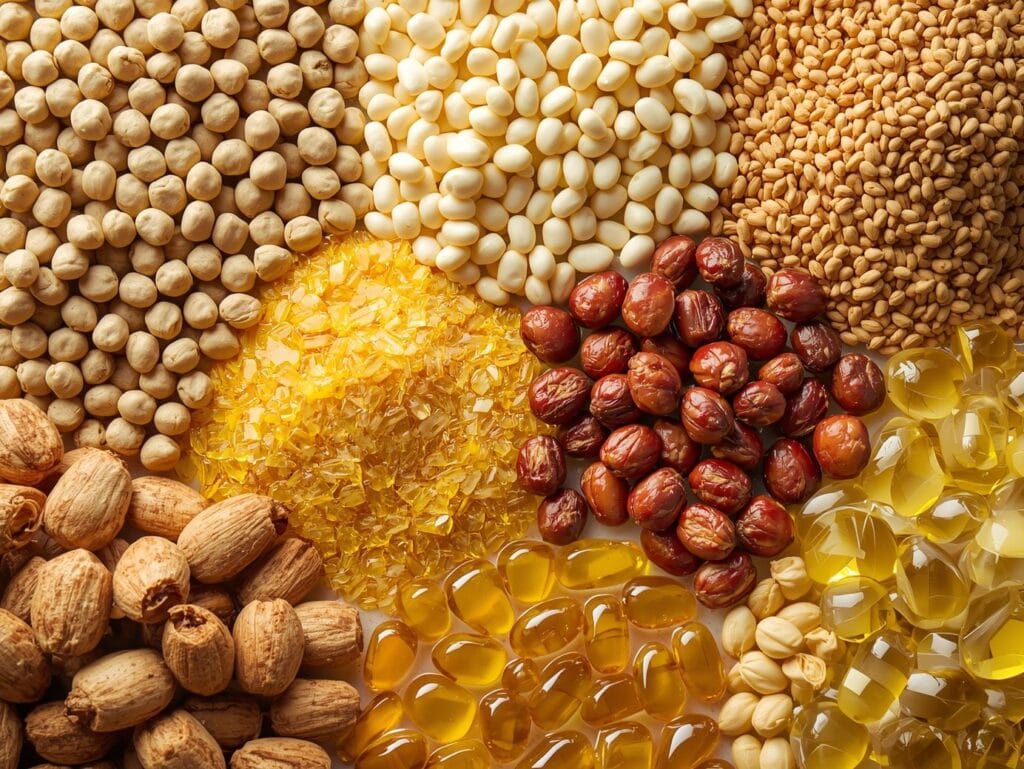
Feedstock availability is one of the most important factors affecting biodiesel production economics.
Major Feedstocks in India
Used Cooking Oil (UCO)
Collected from restaurants, food processing units, and commercial kitchens.
Animal Fats
Generated from meat processing and slaughterhouse waste streams.
Non-edible Oil Seeds
Examples include jatropha and karanja oils.
A reliable biodiesel manufacturer typically designs plants capable of handling multiple feedstock types to maintain operational flexibility.
Biodiesel Demand in India
India’s biodiesel sector is driven by several macroeconomic and environmental factors.
Key Demand Drivers
Government Blending Programs
India’s biofuel policy encourages blending biodiesel with conventional diesel to reduce emissions and import dependency.
Waste-to-Fuel Initiatives
Programs promoting the recycling of used cooking oil have helped establish structured biodiesel supply chains.
Industrial Sustainability Goals
Corporations are increasingly adopting renewable fuels to meet environmental targets and reduce carbon footprints.
Growing Transportation Sector
India’s logistics and transportation industries continue to expand, supporting long-term demand for diesel alternatives.
How to Choose the Right Biodiesel Manufacturer
Selecting a reliable biodiesel manufacturer is essential for ensuring fuel quality, regulatory compliance, and supply stability.
1. Production Capacity
Evaluate whether the manufacturer can meet long-term supply requirements and scale production as demand grows.
2. Feedstock Flexibility
Manufacturers capable of processing multiple feedstocks are better positioned to manage price fluctuations and supply constraints.
3. Quality Certification
Reputable biodiesel producers adhere to international fuel standards and maintain strict quality testing procedures.
4. Environmental Compliance
Biodiesel plants must comply with pollution control regulations, waste treatment norms, and safety standards.
5. Process Technology
Advanced manufacturing facilities use automated control systems to improve yield, reduce waste, and enhance fuel quality.
Role of Biodiesel Manufacturers in the Circular Economy
One of the most significant advantages of biodiesel production is its contribution to the circular economy.
Instead of allowing waste oils to enter sewage systems or landfills, biodiesel manufacturers convert them into renewable energy.
Benefits include:
- Waste recycling
- Reduced greenhouse gas emissions
- Lower fossil fuel consumption
- Energy security improvements
This approach aligns with global sustainability initiatives and national renewable energy policies.
Economic Opportunities in Biodiesel Manufacturing
The biodiesel industry presents opportunities for multiple stakeholders.
For Investors
Renewable fuel production can offer stable long-term demand as governments enforce emission reduction policies.
For Waste Management Companies
Used cooking oil collection networks can supply feedstock to biodiesel manufacturers.
For Industrial Buyers
Companies seeking lower-carbon fuel alternatives may partner with biodiesel producers to meet sustainability targets.
Challenges Facing Biodiesel Manufacturers
Despite strong growth potential, the biodiesel industry faces several operational challenges.
Feedstock Price Volatility
Fluctuations in waste oil prices can impact production margins.
Supply Chain Complexity
Collecting and transporting feedstock from multiple sources requires efficient logistics networks.
Regulatory Compliance
Manufacturers must comply with environmental and fuel quality regulations.
Technology Investment
Modern biodiesel plants require significant capital investment in reactors, distillation systems, and automation.
Future Outlook for Biodiesel Manufacturers
The long-term outlook for biodiesel production remains positive as governments worldwide strengthen renewable fuel policies.
In India, increasing urbanization, growing transportation demand, and rising environmental awareness are expected to support biodiesel adoption.
Biodiesel manufacturers that invest in advanced production technology, diversified feedstock sourcing, and strong distribution networks will be better positioned to capture future market opportunities.
Planning to enter the biodiesel market in India?
Request a market + technical feasibility assessment before investing in biofuel plant infrastructure.
Click HereA biodiesel manufacturer produces renewable biodiesel fuel by converting oils or fats such as used cooking oil, animal fats, or vegetable oils into biodiesel through a chemical process called transesterification.
Common feedstocks include used cooking oil, animal fats, non-edible vegetable oils, and other waste oils. Many biodiesel plants are designed to process multiple feedstock types to maintain supply stability.
Yes. Biodiesel production in India is expanding due to government biofuel policies, waste-to-fuel initiatives, and increasing demand for renewable transportation fuels.
Biodiesel is produced through transesterification where oils react with alcohol in the presence of a catalyst to form biodiesel and glycerin. The biodiesel is then purified to meet fuel standards.
Biodiesel is used in transportation, logistics fleets, power generation, industrial boilers, and heavy equipment as a renewable alternative to conventional diesel fuel.
Final Perspective
The biodiesel industry represents an important component of the global transition toward sustainable energy. A reliable biodiesel manufacturer not only produces renewable fuel but also plays a vital role in recycling waste resources and supporting environmental sustainability.
As demand for cleaner energy continues to grow, the biodiesel manufacturing sector will remain a key contributor to energy diversification and responsible industrial development.
Organizations that combine efficient production processes, strong feedstock sourcing strategies, and regulatory compliance will continue to lead the evolving renewable fuel market.